

Flooring Installation
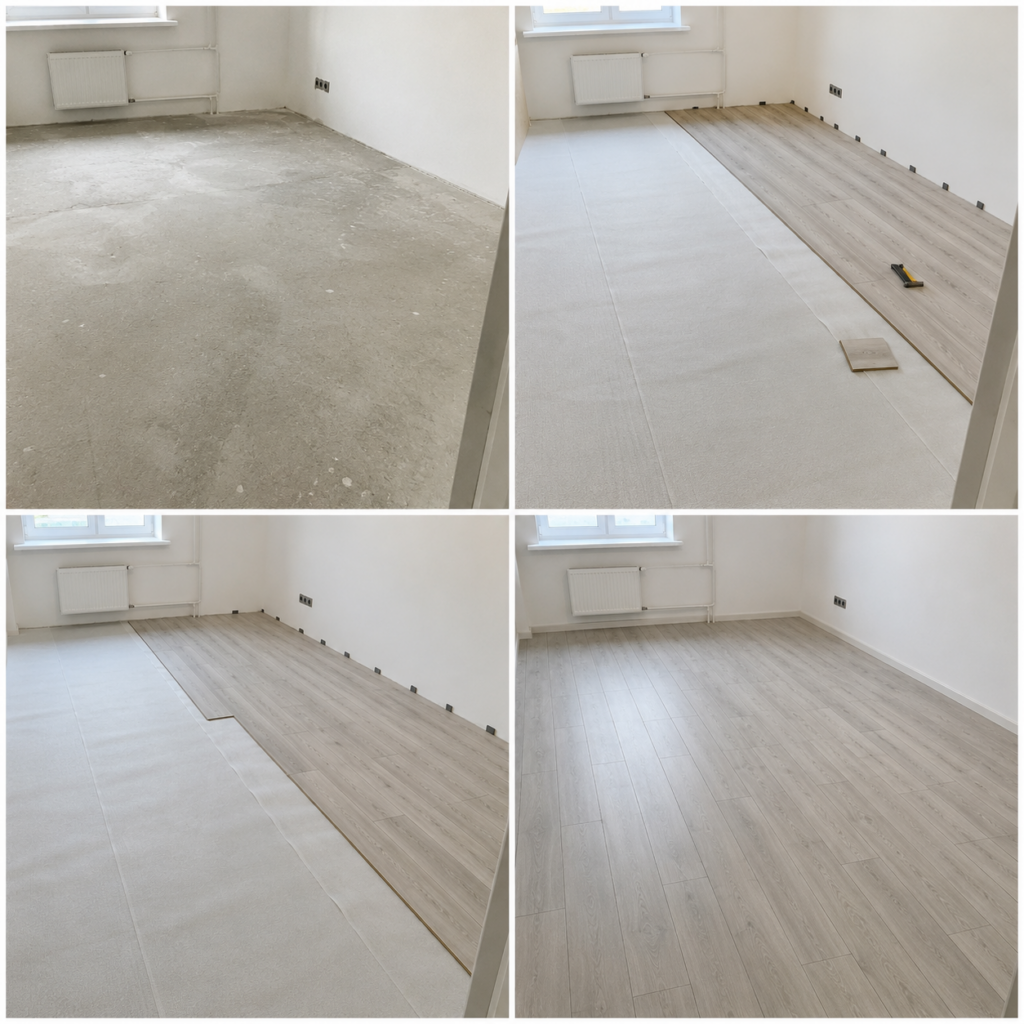
Flooring Installation
Professional floor covering installation requires experience and precision. Many people believe floor installation is simple, but mistakes may lead to squeaks, uneven surfaces, deformation and rapid wear of the material. That is why floors and floor covering installation should be trusted to specialists who understand the characteristics of each material and follow all technological standards.
We provide a full range of services including surface preparation, leveling, underlay installation and professional flooring installation. One of the most popular solutions is quartz vinyl floor covering installation, which combines durability, moisture resistance and an attractive appearance. Quartz vinyl is ideal for living spaces, kitchens, hallways and commercial areas due to its high wear resistance and easy maintenance.
Before starting work, we assess the condition of the base, moisture level and room characteristics. This allows us to select the optimal installation method and ensure long service life. Our specialists use professional tools and proven materials, ensuring that floor covering installation is performed accurately and according to construction standards.
We agree on the scope and cost of work in advance so the client understands the renovation budget without hidden expenses. A professionally installed floor means not only aesthetics but also comfort, warmth and reliability for years to come.
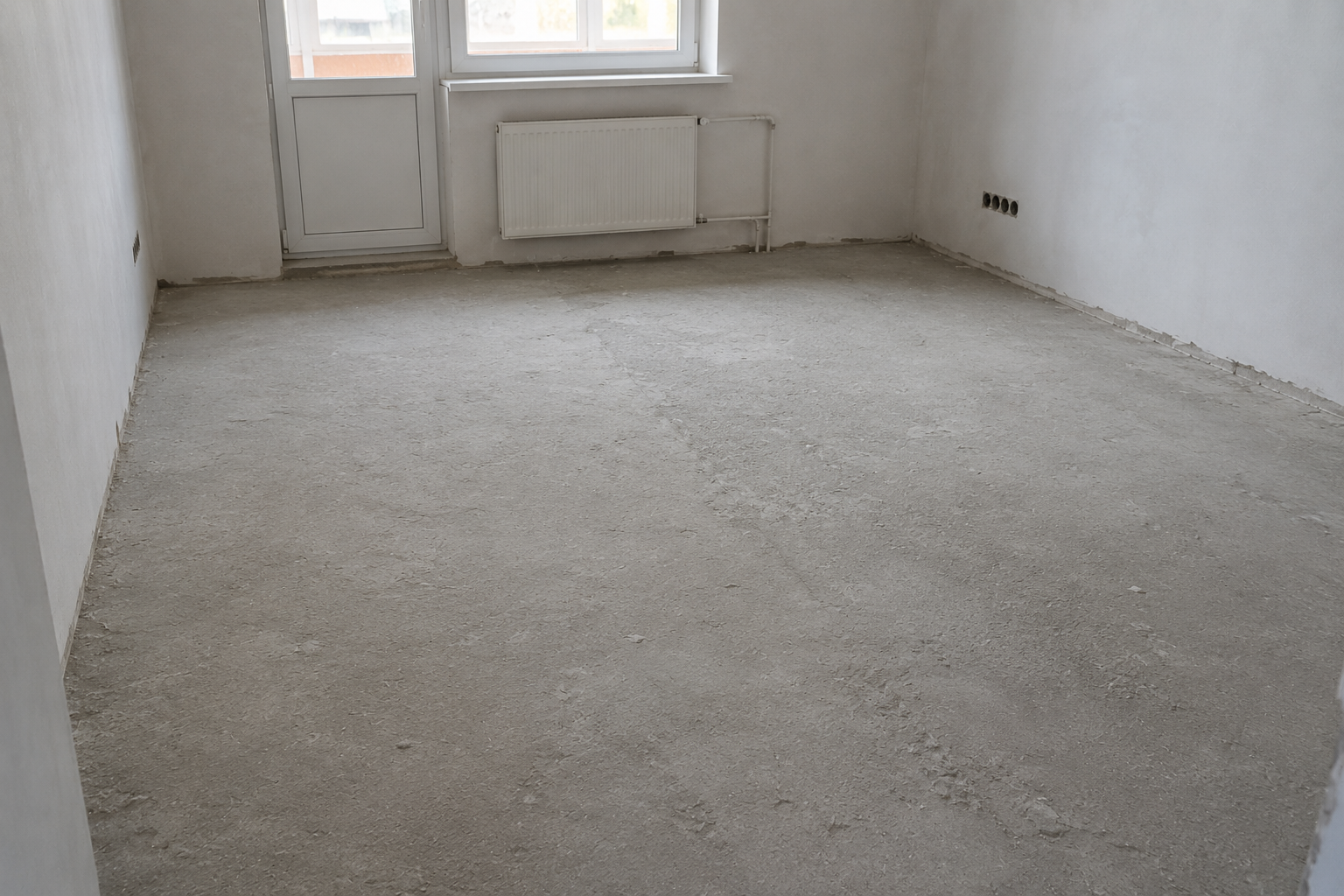
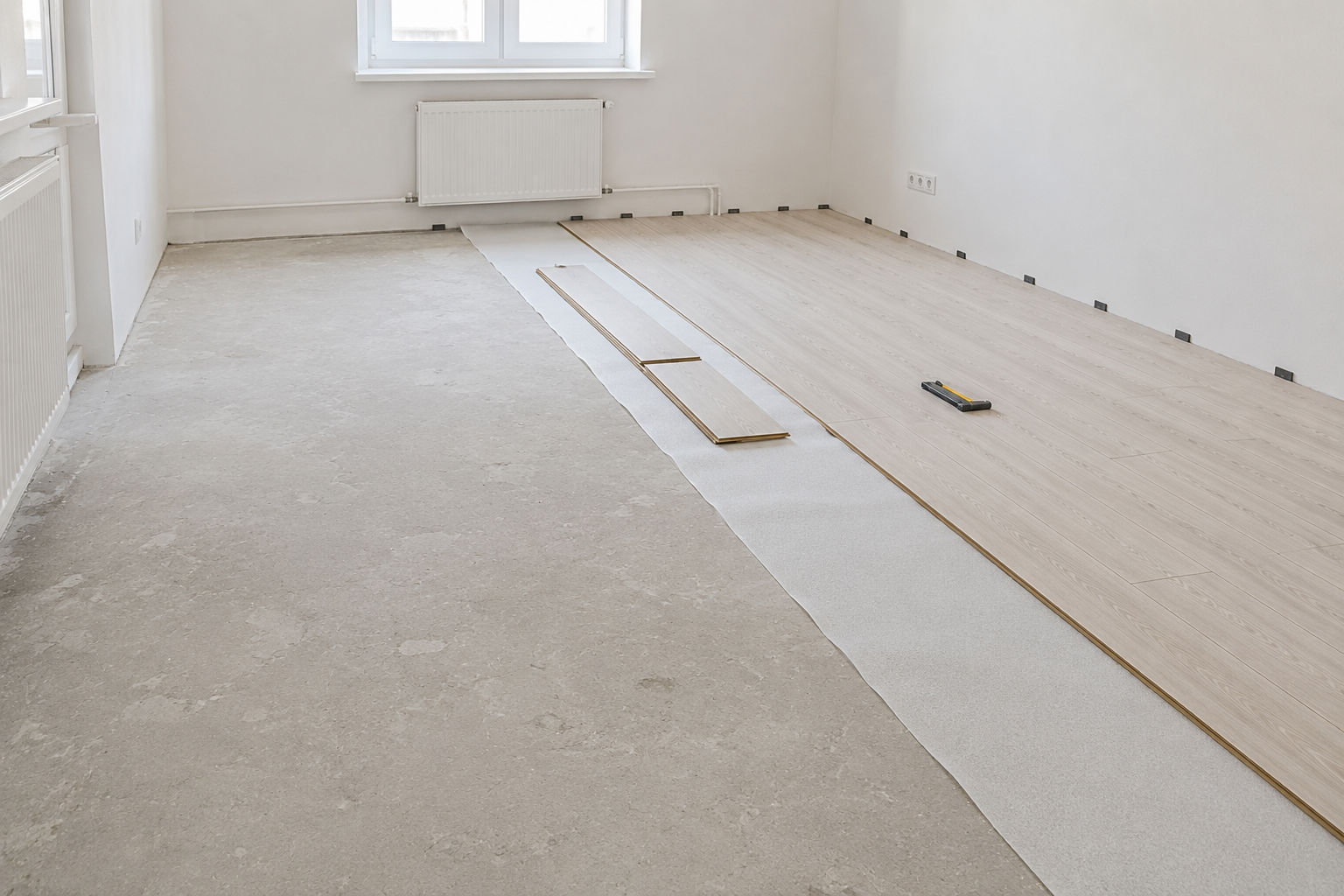
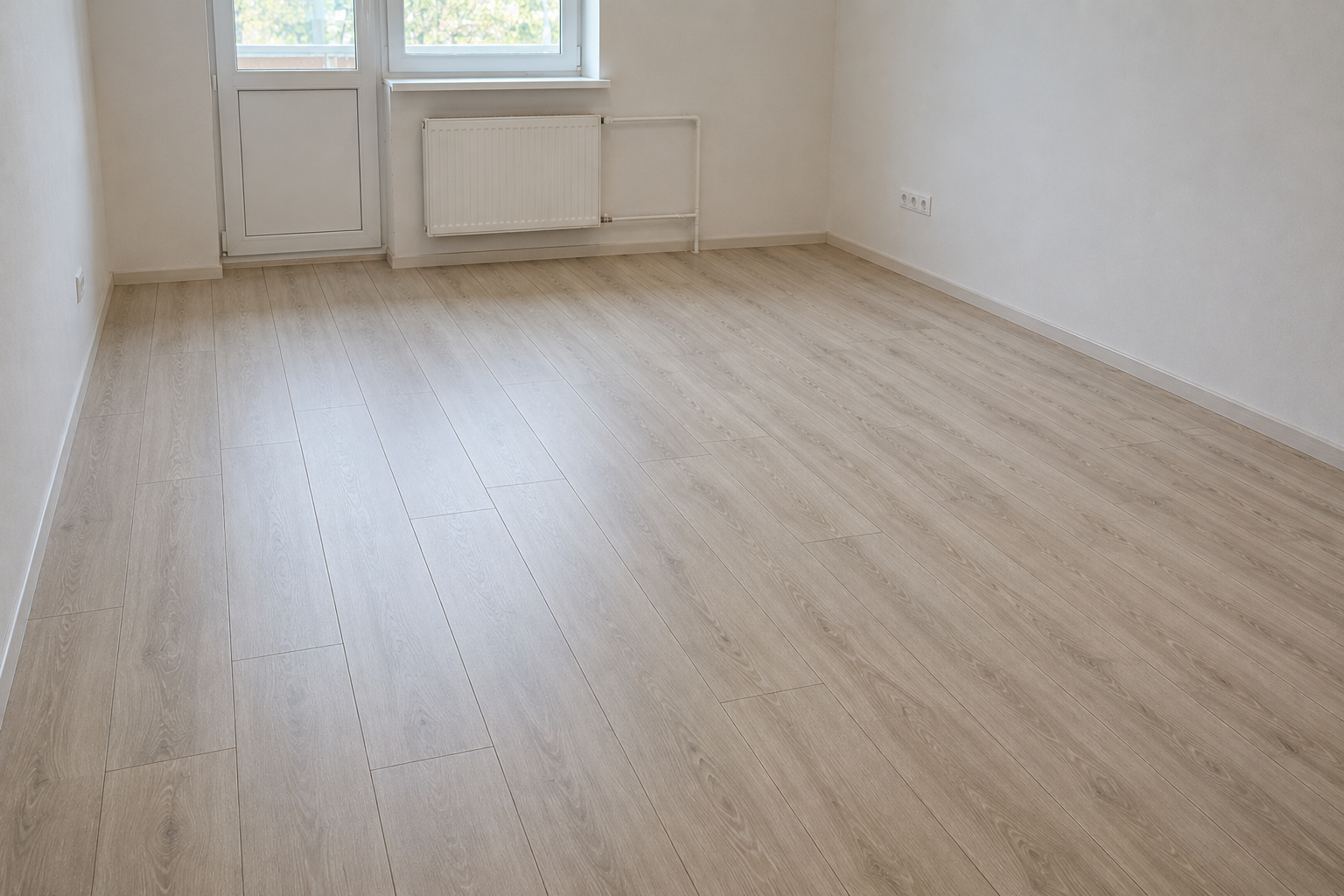
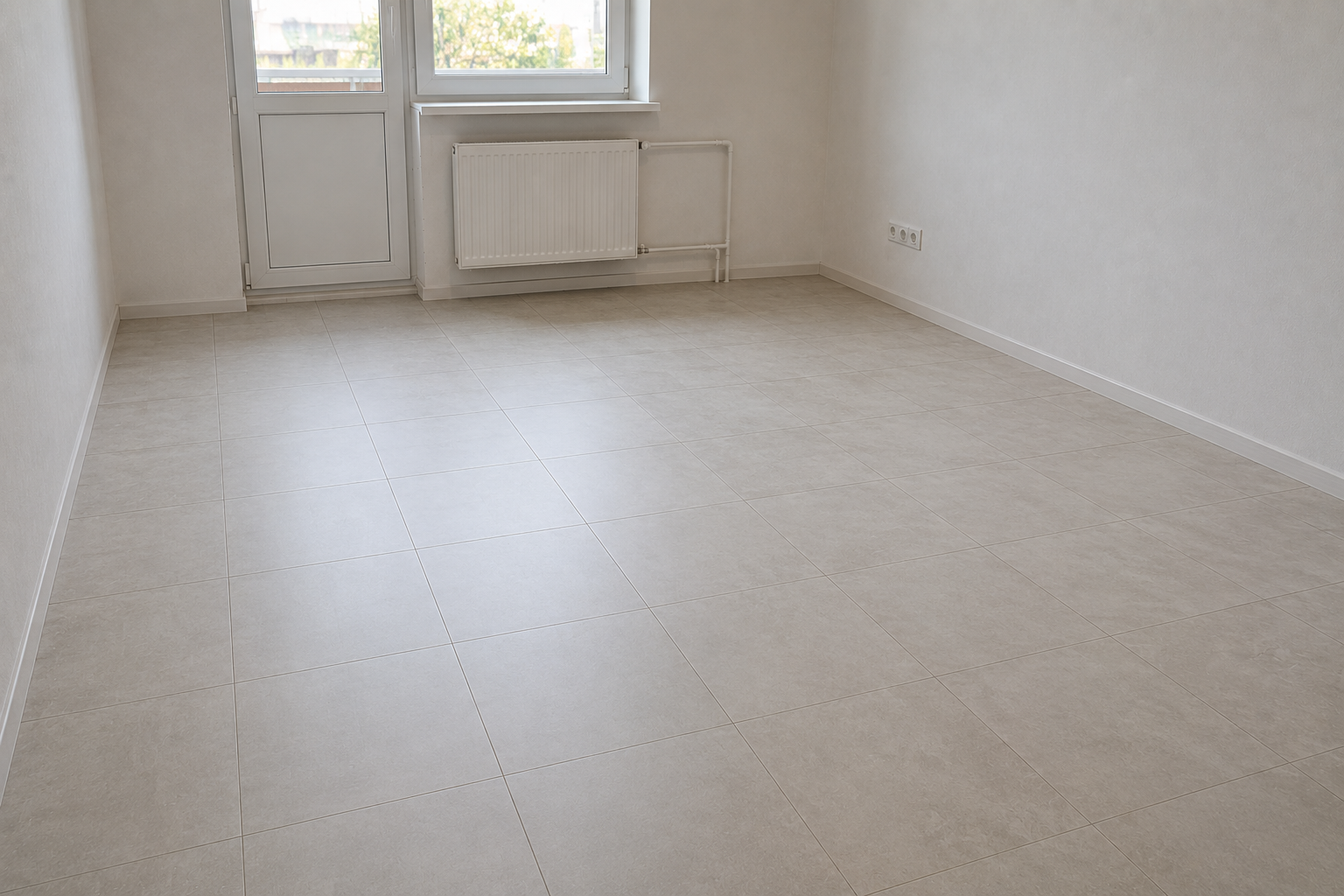
Benefits of professional flooring installation
If you need professional floor covering installation, it is best to trust experienced specialists. SNV-Company offers comprehensive flooring services with quality guarantee, timely completion and attention to every detail.
Our Benefits
professional floor covering installation of any complexity
high-quality quartz vinyl floor covering installation
accurate floors and floor covering installation according to technology
complete service: surface preparation and turnkey installation
Flooring Installation FAQ
We provide floor covering installation for laminate, quartz vinyl, engineered wood and other flooring materials.
Yes, quartz vinyl floor covering installation is ideal for apartments thanks to moisture resistance, durability and easy maintenance.
Yes, professional floors and floor covering installation always requires proper preparation and leveling of the base.