

Flooring Installation
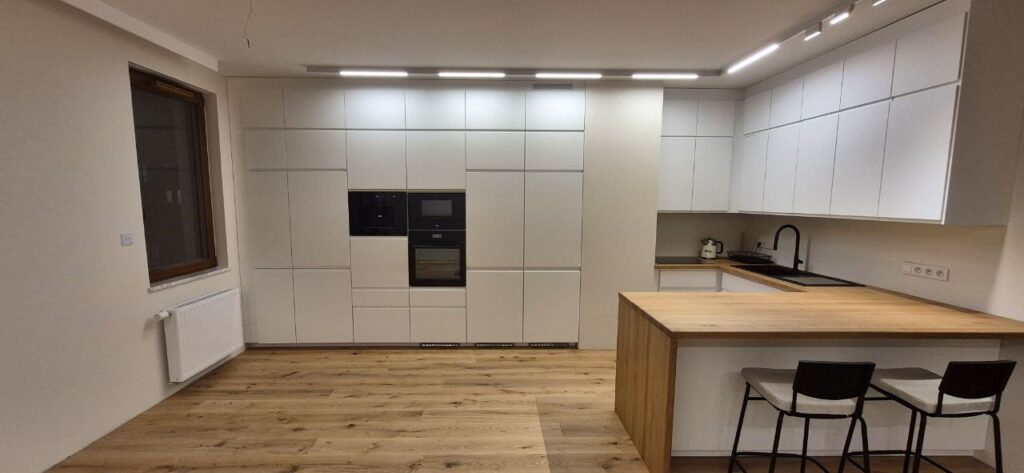
Flooring Installation
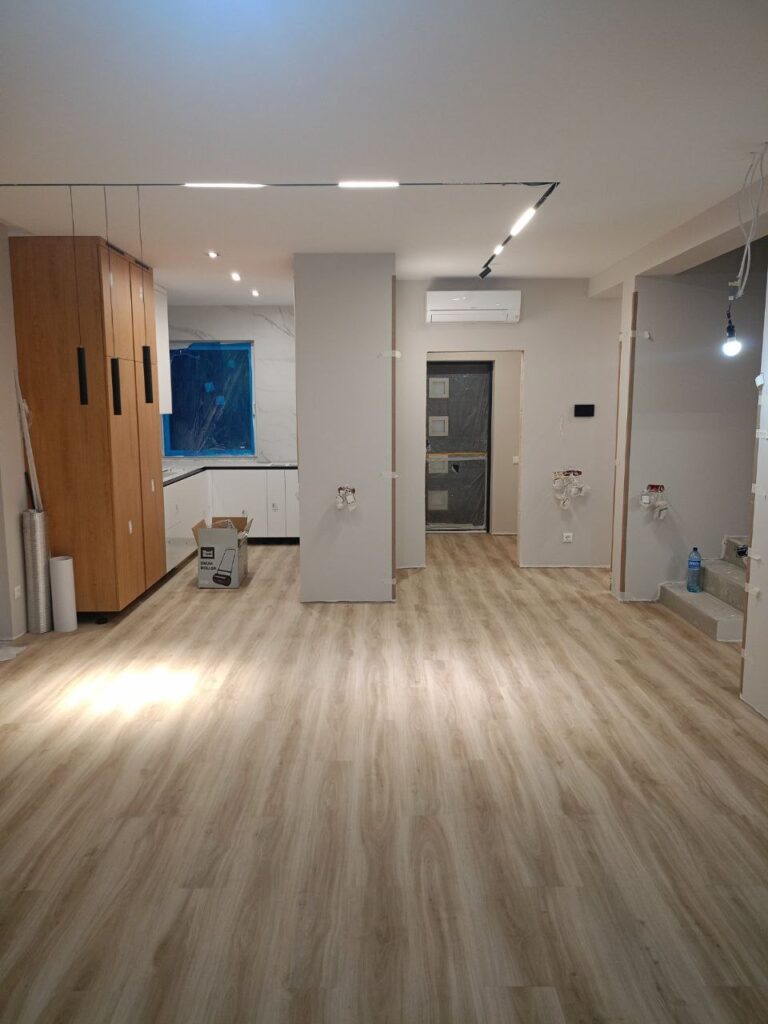
The flooring installation process begins with the assessment and preparation of the subfloor. The floor must be level, dry, and strong, free of height differences and defects. If necessary, screed leveling or underlayment installation is performed. Next, layout markings are made, taking into account the room’s geometry, expansion gaps, and installation direction. Each material is installed according to its specific requirements—locking systems, adhesive methods, or floating installation.
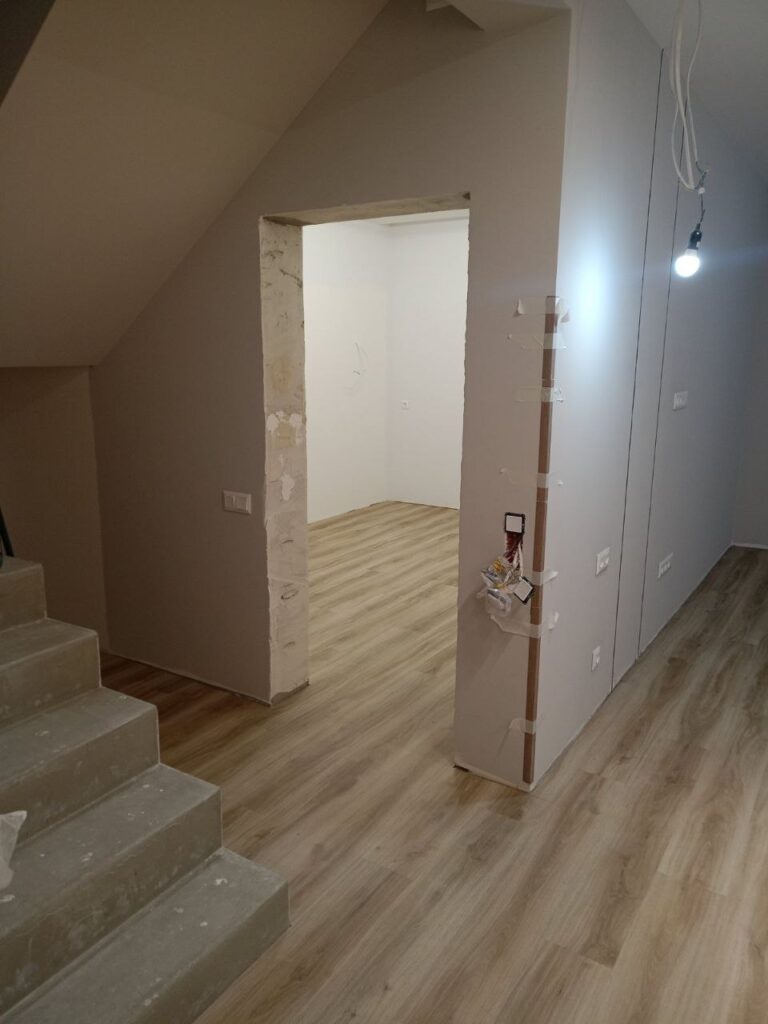
Special attention is given to edges, thresholds, corners, and high-traffic areas. Proper installation prevents squeaking, bubbling, seam misalignment, and premature wear of the flooring.
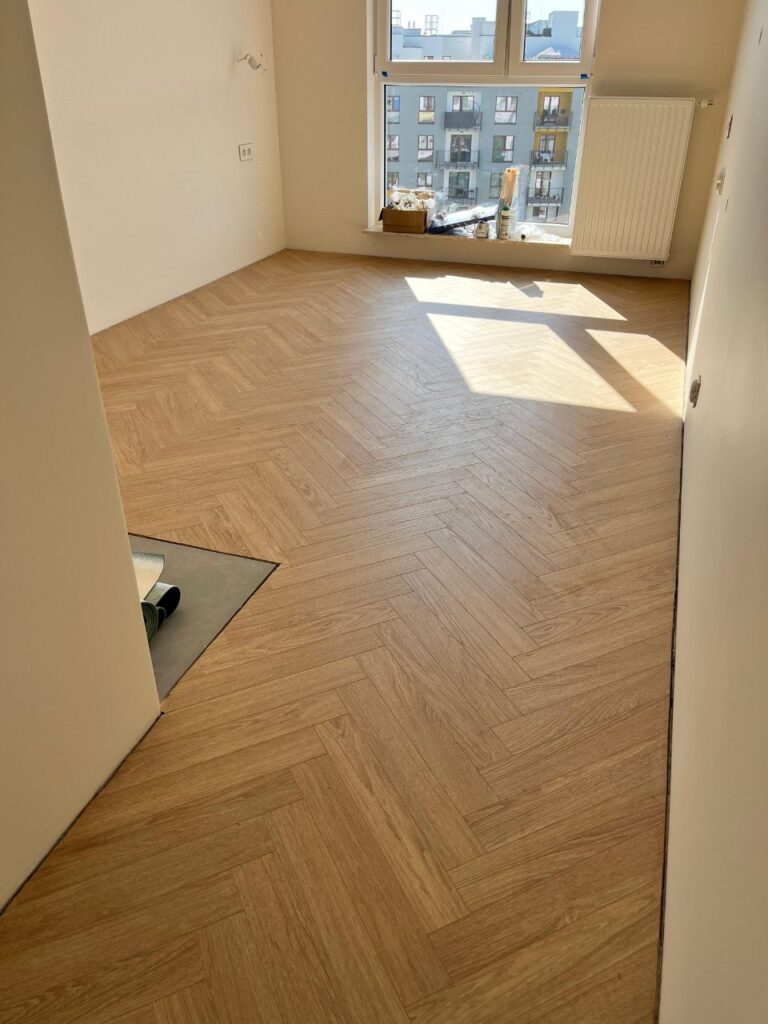
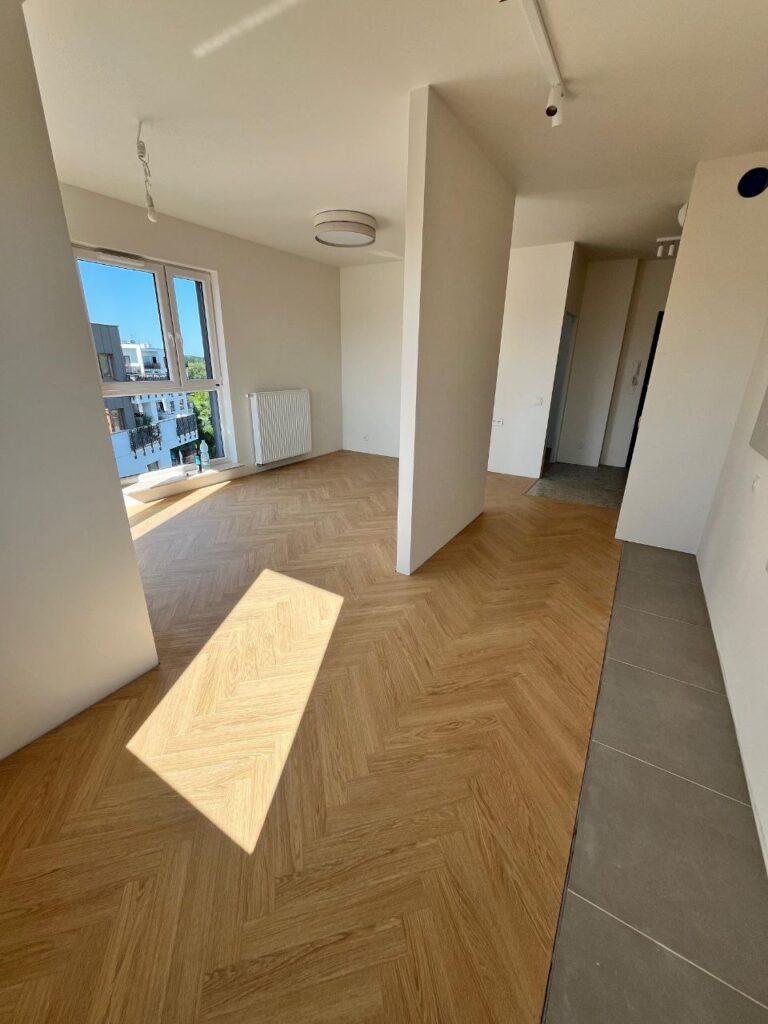
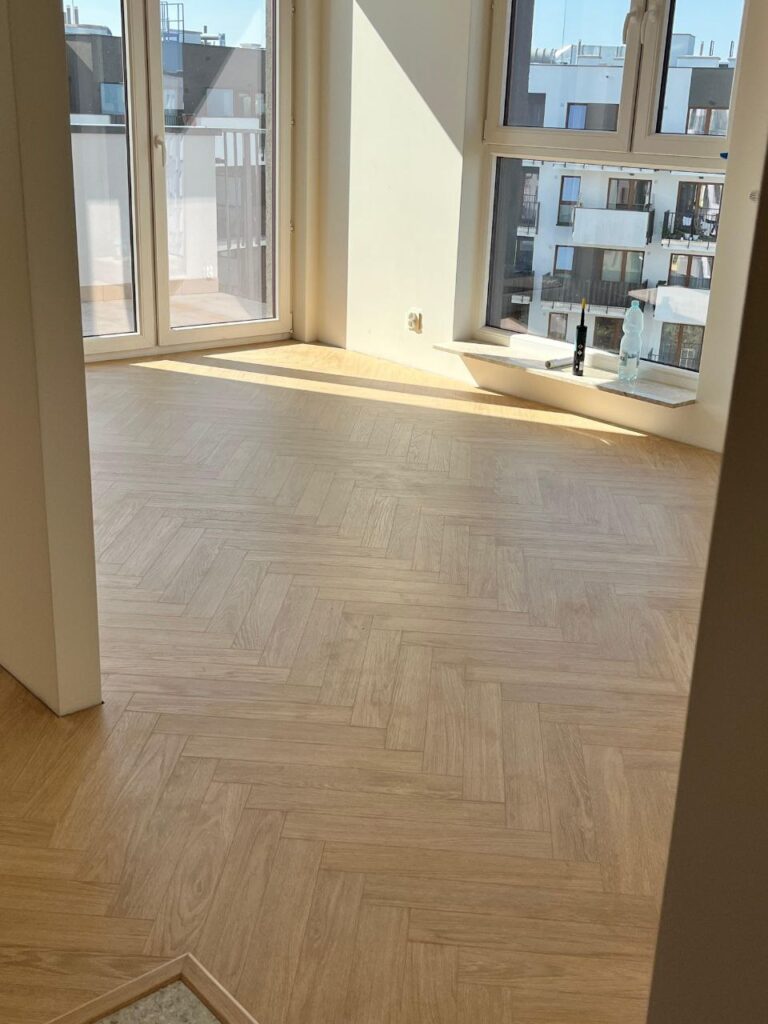
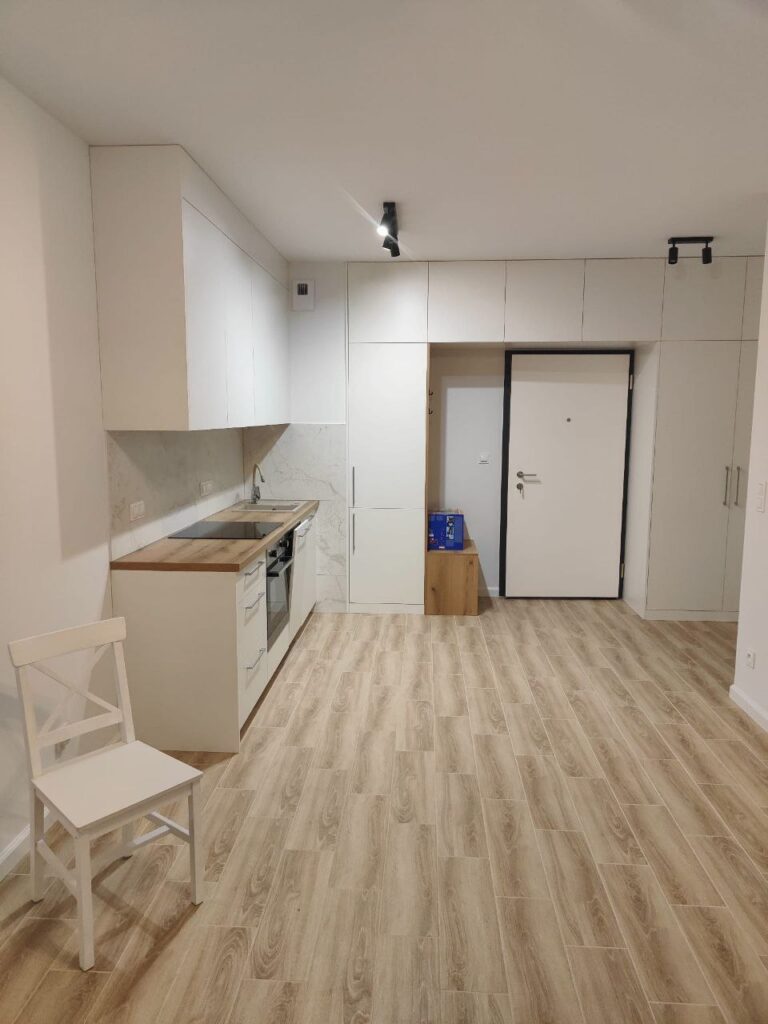
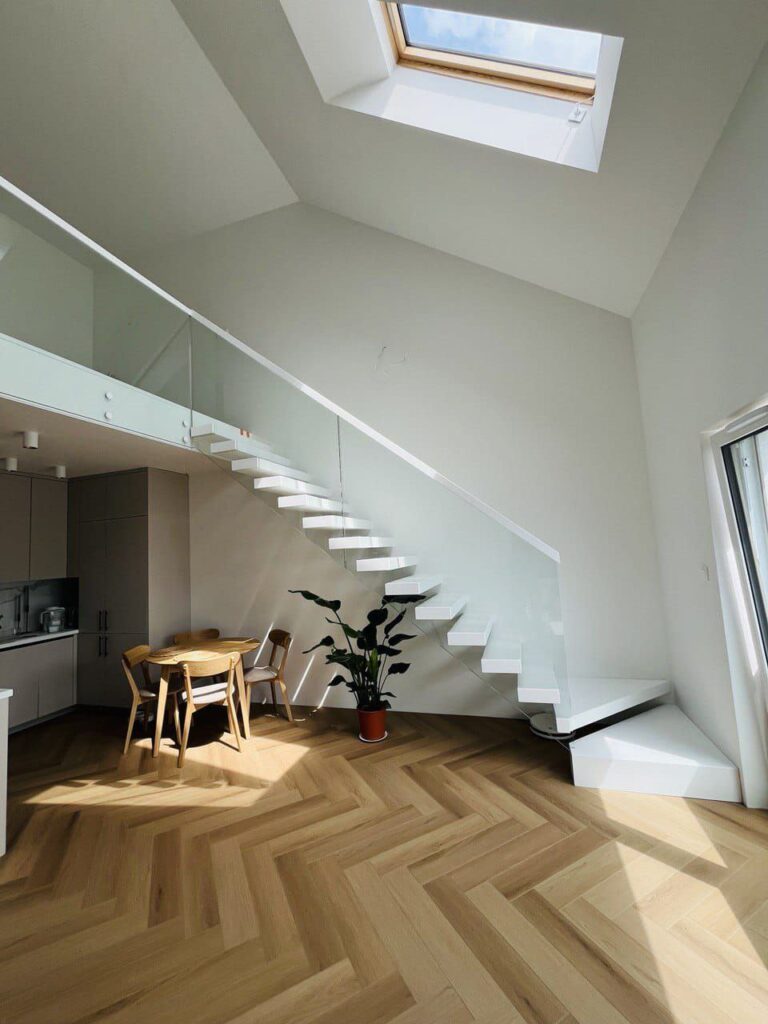
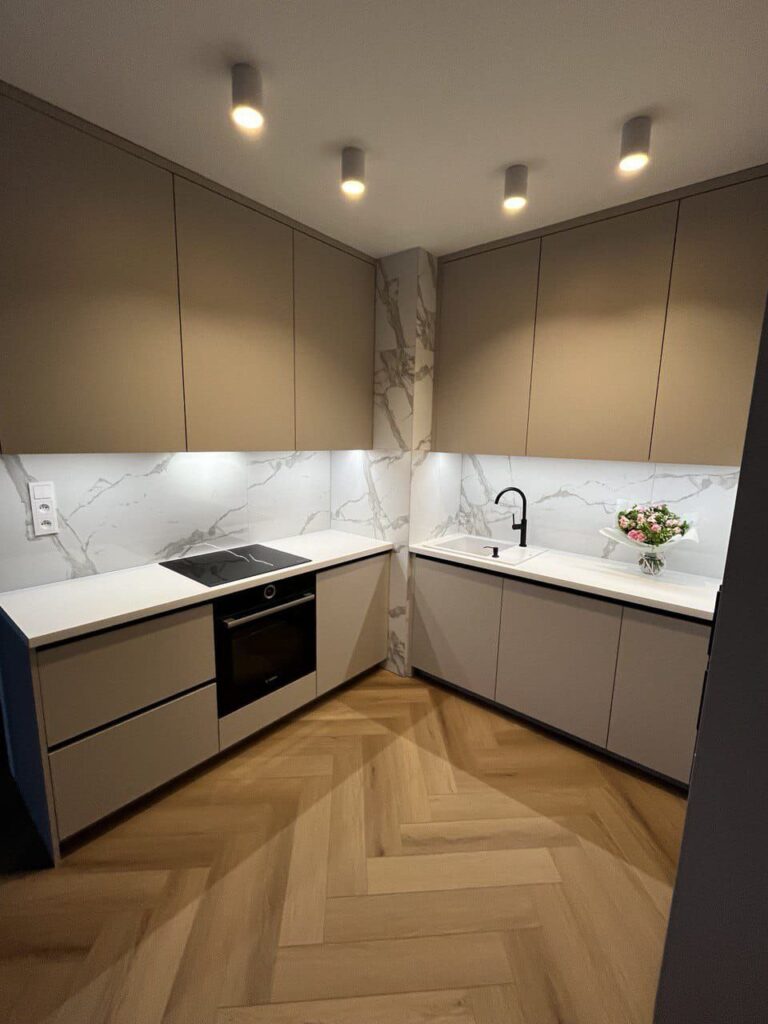
Benefits of professional flooring installation
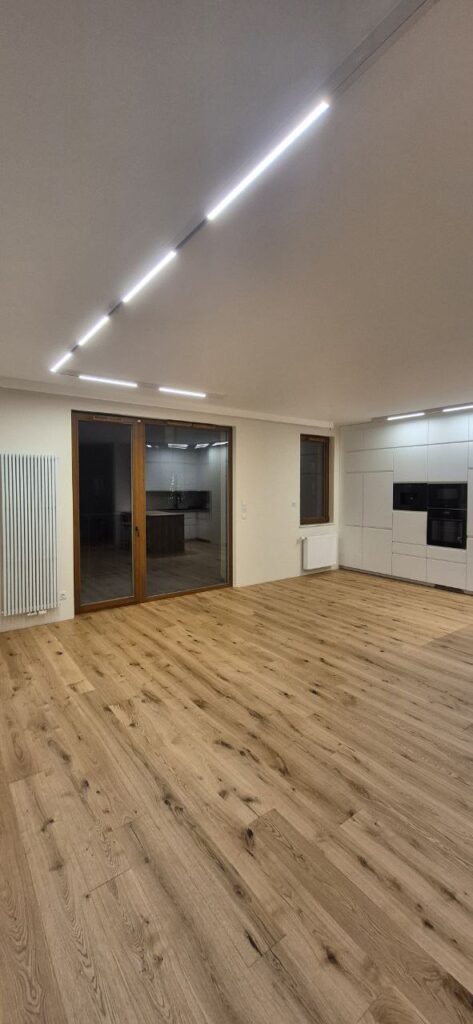
High-quality flooring installation is the foundation of a reliable and comfortable interior. A professional approach helps avoid common issues such as squeaking, surface deformation, and premature wear. By choosing an experienced construction company, you receive not only precise installation but also full compliance with all technical requirements, a warranty on the work performed, and confidence in the result. Properly installed flooring will last for many years, maintaining its aesthetic appearance and everyday comfort.
Our Benefits
proper preparation and leveling of the base
precise laying geometry and maintenance of gaps
taking into account the characteristics of a specific material
neat trimming and finishing of joints
Flooring Installation FAQ
Yes, leveling the subfloor is a necessary step. Even minor differences can cause creaking, damage to the locks, and reduce the lifespan of the flooring. Professional installation always begins with checking the floor level.
No, the screed must dry completely. Drying time depends on the type of mixture and the layer thickness. Laying it on a damp base can cause deformation and mold growth.
Each material has its own characteristics. Laminate and vinyl are most often installed floating, parquet may require adhesive installation, and engineered wood requires strict moisture control. Therefore, it’s important to select the installation method appropriate for the specific flooring.